Growing up, my father instilled in me to love American-made cars, as an American, and to support the American car industry. As a result, I have fond memories of a variety of Mopar and Chevy muscle cars from my childhood, I’ve owned and driven a wide variety of Jeeps, and I also tend to lean toward these makes when I think about cars to buy, restore, and race.
As a child, though I grew up around muscle cars that could make the ground shake and big American Muscle racing down a quarter-mile, I was always enthralled by a wide range of cars that were being driven around me, on the street, and on television, regardless of their particular origins.
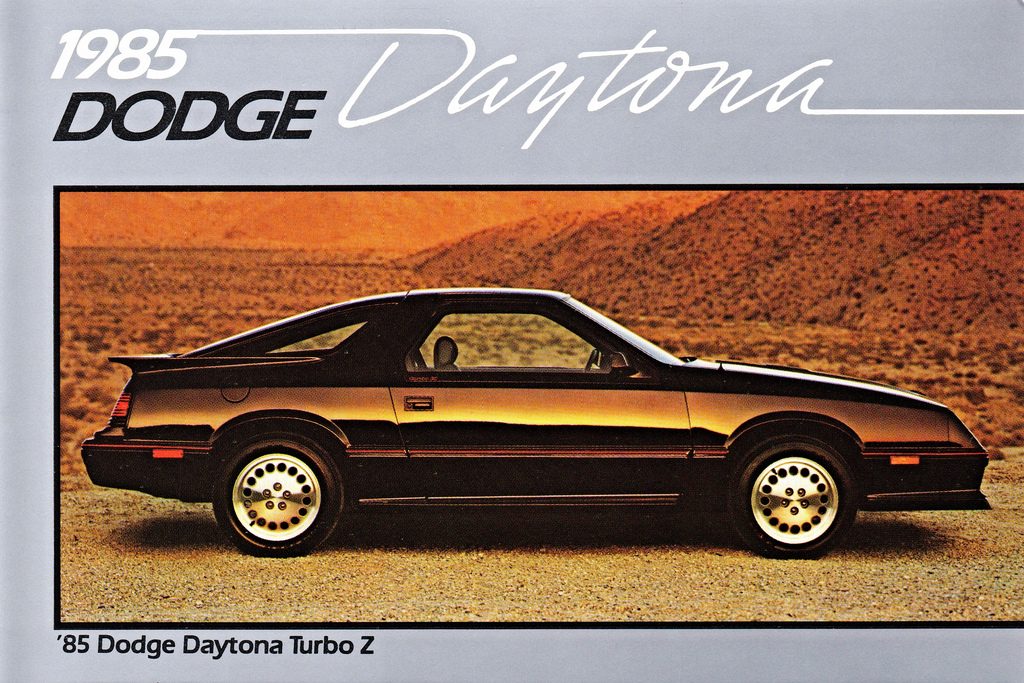
I’ve always wanted on of these…
I was born in the late 1980s, at a time when front-wheel drive subcompacts were the new normal, Chrysler was just coming out of its death throes with cars called Challenger, Charger, Dart, and Daytona (none of which resembled their muscle car forebears), Group B rally was no longer the leading cause of racing deaths, and the only thing left of AMC was the Jeep and the Eagle (which somehow morphed into an entire make by the early 90s). As a child growing up in the ‘90s, my early car memories are a mix of big American V8s and indistinguishable economy cars built who-knows-where.
As an adult, my understanding of politics, business, and globalization has made the idea of an American car company somewhat obsolete. And with that, my concept of what it means to be a “car guy” in the US.
globalization and the car
Today, one of the three major car-makers, Chrysler, is majority-owned by Fiat, an Italian car-maker. Chrysler has also, in its history, has also held a stake in Mitsubishi and co-produced cars with them. Ford has had stakes in Volvo, Jaguar, and Mazda and has implemented a “global vehicle” policy, manufacturing models to sell around the world. GM has held stakes in Toyota, Subaru, and Saab, shared platforms with Daewoo, and has also used global platforms from Germany (Opel), England (Vauxhall), and Australia (Holden/GM Australia).
On the other side of things, Japanese automakers Toyota, Honda, and Subaru have manufacturing facilities all over the United States and help support thousands of American families and the American economy.
What this boils down to is that globalization has blurred the line between “buying American” and buying an “import”.
then and now
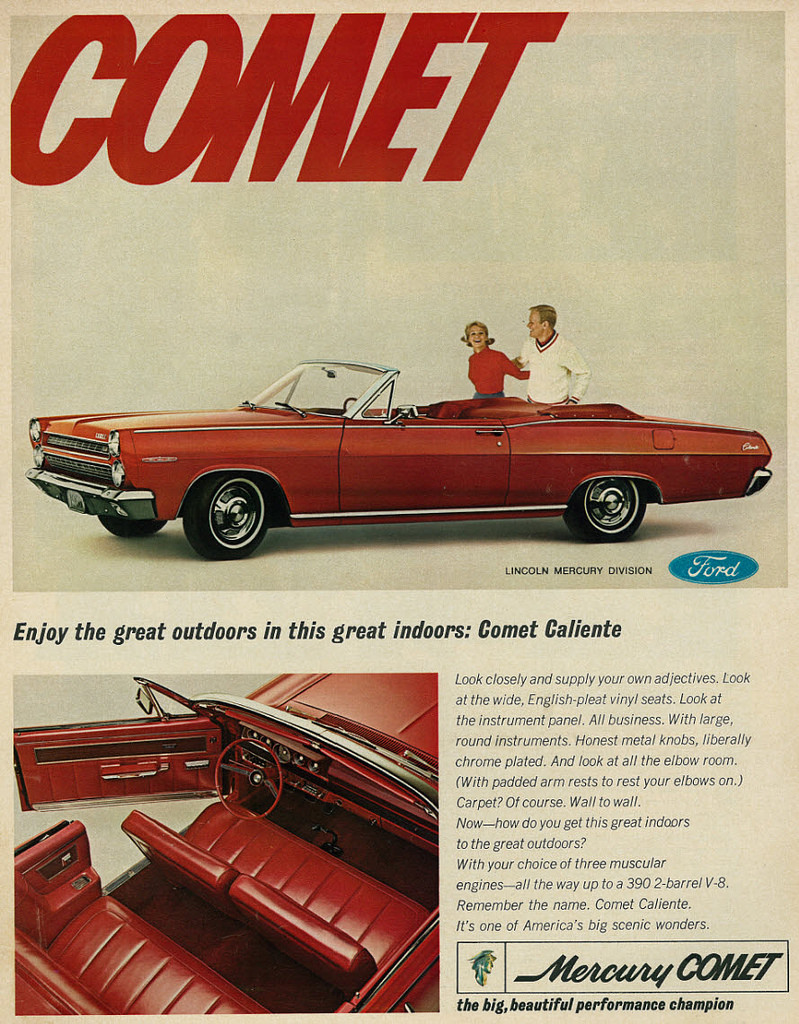
There was a time when buying an import was unheard of unless it was a luxury British or German car. You might even find a Swedish car every once in a while, but the idea of buying a Japanese car was out of the question.
It was in this time the American Muscle was king and when you bought a car, you joined a team, one that fought the other teams every weekend on the race track.
As we moved through time, though, the teams we’d grown to love started letting us down. Fords were unreliable. Chevys were slow. Mopars, even though they were fast, would rust into nothingness before you ever had to worry about mechanical problems. And gas was getting to be expensive, hitting Americans where it hurt most—their wallets.
This is when Americans were introduced to the inline four.
They arrived in a variety of ways. Some were homegrown developments. Others were co-productions with the European arms of the Big Three. A large number, though, were captive imports and badge-engineered models brought to the US through various deals or shareholding agreements. The best example of this was Chrysler and its import of Mitsubishi Galants and Lancers from Japan and Hillman Avengers from England in the 1970s. These brought us the Dodge Colt and Plymouth Cricket, respectively.
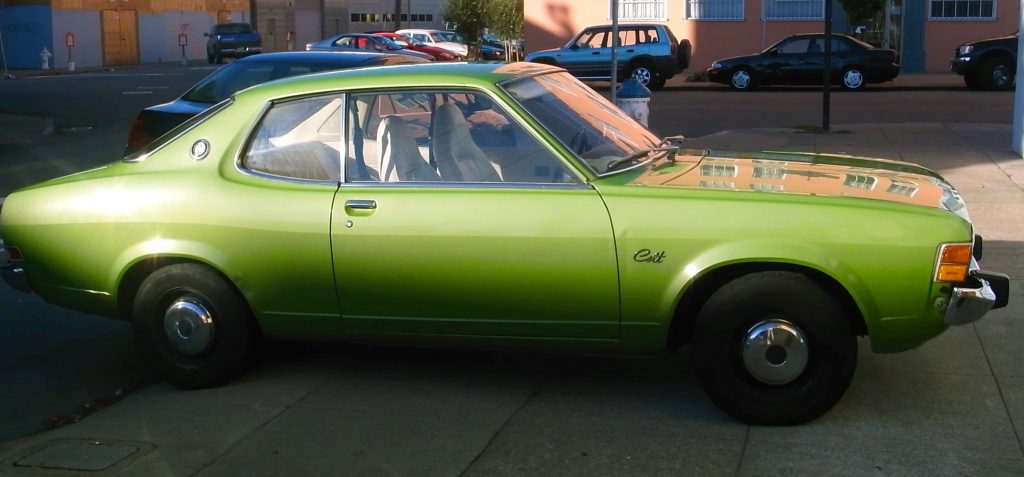
These ‘70s imports would lead the way for all of the Big Three to make their own deals that would last all the way into the ‘90s and 2000s—Ford with Mazda and GM with Toyota and Daewoo. No agreement would be as prolific, though, as the one between Chrysler and Mitsubishi, which would – in the late ‘80s – spawn Diamond-Star Motors (DSM), the cooperative that would develop the Mitsubishi Eclipse/Eagle Talon/Plymouth Laser.
Moving beyond captive imports and cooperative manufacturing, in the 21st century we’ve seen a shift from local branches designing, developing, and engineering vehicles for different markets to the development of “global” platforms—designing one vehicle for all of the markets.
This has led to Ford and Mazda building almost identical cars, the only difference being some basic body styling; Mitsubishi and Chrysler sharing one platform between the Mitsubishi Lancer and Outlanders, the Jeep Patriot and Compass (which also housed a Hyundai automatic transmission as of 2014), and the Dodge Caliber; And GM sharing the platform for the Subaru Legacy and Impreza with the Saab 9-3 and 9-5 as well as using Opel platforms for many of the cars in the now-dead Saturn line, as well as the recent Buick Regal. Chrysler even co-developed and engine platform with Hyundai and Mitsubishi – nicknamed the “World Engine”. Hell, with the Fiat ownership of Chrysler, the new Dart is just a new body on top of a Alfa Romeo Giulietta and the new Dodge Viper is full of Ferrari technology.
being a ‘car guy’ today
Don’t get me wrong, I love American cars. Many of my fondest memories are in, around, or underneath one. I’ve also made my fair share of generalizations. Each one, though, gets me to my point.
When I came to be driving age, I was conflicted. I’d grown up watching drag racing, but also came to enjoy watching the race at Le Mans and World Rally. These series dominated by everything European and Japanese, American cars just couldn’t compete in those series. Its in those races that I found Subaru Imprezas, Mitsubishi Lancer Evolutions, Peugeot 205s, Audi Quattros, Lancia Betas and Stratos’, McLaren F1s, Ferrari F40s, and Volvo 240s, 850s, and V60s. I was raised on American Muscle, but I also have a fondness of ‘70s Japanese coups like Datsun 240z’s and wagons like the Mitsubishi Galant. I love Volvo 240 wagons and BMW E30 M3s. I also have an irrational lust of notchback Pontiac Fieros. It also didn’t hurt that I’d been exposed to a variety of makes and models from around the world through playing Gran Tourismo.
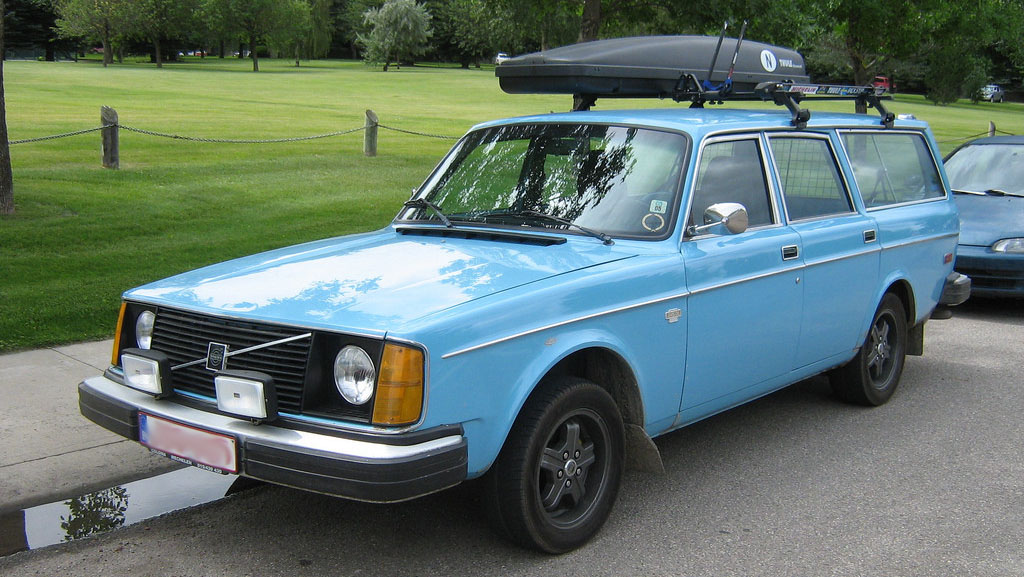
Not American, but still really cool. Because wagons are cool.
My point is that you should be able to like any car you want, no matter what country the parent company happens to be headquartered in. You don’t have to be a Mopar, Ford, or Chevy guy; You don’t have to choose between sports cars, super cars, or muscle cars; And there’s nothing wrong with like station wagons, even if they aren’t “cool”.
Being a “car guy” isn’t about which cars you like, it’s about your love of cars and not having to limit yourself to a particular make, model, or country of origin. You can like anything, and everything. Like cars is liking cars—full stop.