I have to admit, I’m biased. I absolutely love station wagons. I think that they’re the perfect vehicle—the right mix of car and utility vehicle, power and utilitarianism.
Not everyone feels this way, though. Enough that there aren’t any domestic American station wagons being designed anymore, let alone manufactured. Instead, station wagons have been replaced with hatchbacks, crossovers, SUVs, and minivans. The last vestiges of American station wagons came in the form of the Dodge Magnum and the Cadillac CTS Wagon, as well as rumors that we might get a Pontiac-badged Holden Commodore wagon (and a Chevy-badged Maloo, which I’m also bitter about not getting here in the States). They were large, powerful, and sleek cars capable of carrying people and things, not unlike today’s SUVs and crossovers. These were short-lived.
Due to their continued popularity in Europe, however, wagons—or estates—are still being designed and built by the likes of Volvo, BMW, Volkswagen, and Mercedes. And with fun options like turbochargers and all-wheel drive. But why are they popular there and not here?
Culture is an interesting thing
The cultural differences between the US and Europe are even evident in our choices of car.
In the US, there has been a steady shift toward driving larger, sport utility vehicles with powerful engines and truck tires as well as smaller, crossover SUVs that are smaller and more car-like—a cross between car and SUV. Interestingly enough, both SUVs and crossovers are often classified as station wagons on vehicle registration and insurance documents. This isn’t all that surprising given that SUVs and crossovers tend to perform the same functions as wagons had previously (even though they’re ostensibly designed to do more, like driving off-road).
Americans like to get the biggest bang for their buck, which goes hand in hand with an attitude of “bigger is better” (just ask Texas). That coupled with relatively low gas prices means getting a large, tall, V8 SUV with seven seats to take your one kid to school and buy groceries isn’t all that strange. In fact, it’s just about the standard.
In Europe, on the other hand, cars make up the vast majority of vehicles bought and driven. With high fuel prices compared to the US, smaller, lighter, more efficient cars just make sense. Not only that, cars handle much better, which offers a better driving experience.
Station wagons are just cars with extra large trunks, so of course they would be the obvious choice for Europeans that need more space. This was the case in the US for a long time as well.
The rise of the SUV
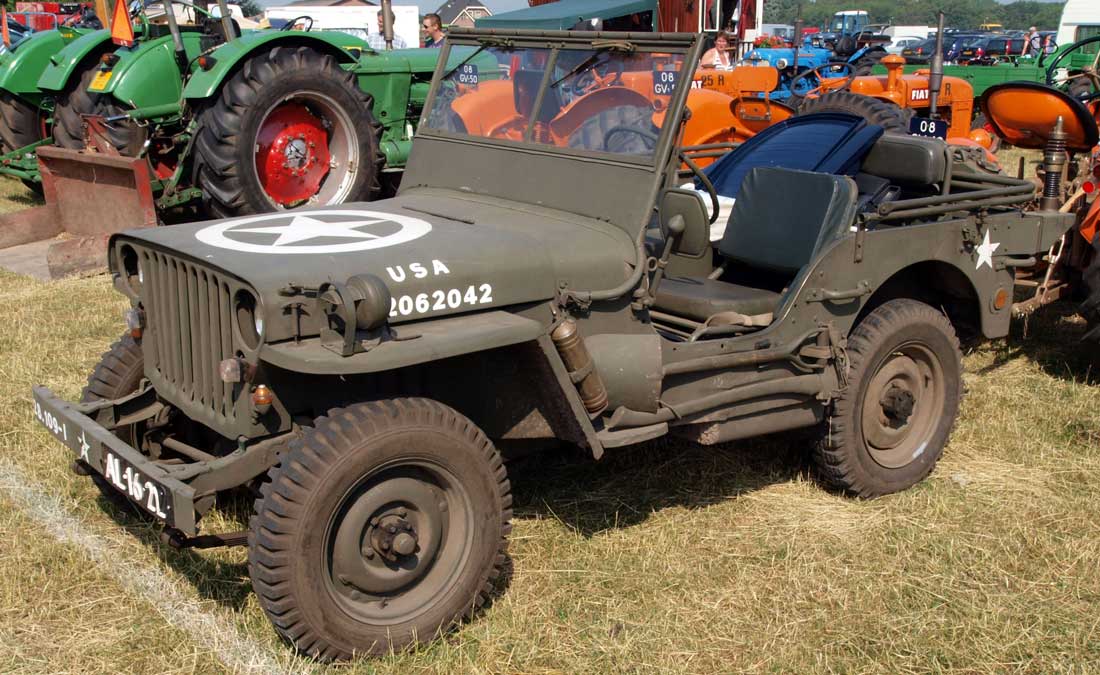
SUVs used to be for driving where cars couldn’t go, but people still wanted to—where the road ends. They were basically trucks with a back seat. This meant that they weren’t very comfortable to drive every day, but were capable vehicles that could get you and your things just about anywhere you wanted to go.
The SUV was made popular following World War II, when soldiers came home and brought their Jeeps with them. The Jeep was a phenomenon in popular culture. The general public wanted them so much that a civilian version was designed and produced. Over the years, more creature comforts were added like roofs, heaters, and solid doors. This was the original SUV. Other automakers started building competitors to the Jeep and the SUV became its own market segment. Then, sometime in the late 1970s or early 80s, they started to get comfortable. They started to become more practical. And people bought them. (There’s a reason that Chrysler bought what was left of AMC, and her name was Jeep.)
Many people, though, still wanted something smaller and more like a car, but with the space to put all of their stuff. They weren’t ready to drive a truck with a backseat. They didn’t have a use for the four-wheel drive. The wagon continued to live on.
Crossovers: the death of the wagon
Through the 1990s the station wagon continued to serve its purpose, a daily-driving car that could go to the hardware store or the baseball game or soccer practice or all three in the same afternoon.
SUVs, though, were starting to become more popular than ever. Relatively low gas prices and increasing luxury options like the Ford Explorer and Jeep Grand Cherokee were making SUVs more reasonable options. With the added benefit of four-wheel drive, they were also “practical” year-round vehicles in the North where snow and ice were common in winter.
The 80s and 90s also saw cars getting smaller, while trucks and SUVs continued to be built big. Early on in American car history, “big” became synonymous with “safe”, since the large amount of sheet metal between you and the other car is what would keep you alive in a crash. This sentiment didn’t change much through time as cars started getting smaller, even if they did retain—and exceed—those early safety standards with the addition of crumple zones and air bags. People began opting for SUVs for their perceived safety benefits, regardless of any other preference or need.
Around the early 2000s, a strange thing happened: station wagons started getting bigger again and smaller versions of SUVs were sprouting up. The large station wagons weren’t getting bigger all around, though. They were getting taller. The small SUVs looked like their larger counterparts, just with smaller features and overall dimensions. The small SUVs were the same size as the large wagons. They were offered with the same features as well, like optional on-demand all-wheel drive.
The crossover SUV (or CUV) was born.
Save the wagon!
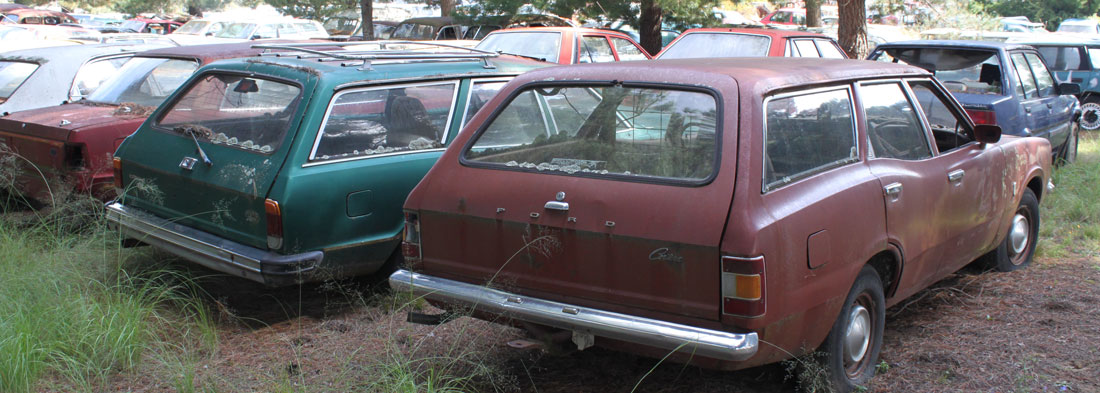
Some of my favorite cars have been station wagons, or have been offered with a wagon version. The wagon is an extraordinarily useful vehicle. It can carry a lot cargo while at the same time be as fun to drive as an equivalent passenger car. While they’re not sports cars by any means, there have been sporty wagons like the CTS-V wagon and because they’re based on cars, they can easily be made sportier with the application of performance parts from their sister-cars. Hell, Volvo built the first turbocharged wagon in the 1980s and its still popular today.
If I could ask for one thing from the car-makers its this: Bring back the sport wagon. Seriously. Take a decent midsize sedan, make the roof longer, add a hatch to it. Put a turbo on the engine. Stiffen the suspension. Make it rear-wheel or all-wheel drive.
Unfortunately, the market for station wagons, at least in the US, is currently dominated by the taller crossover and the demand for station wagons is pretty low, otherwise we’d still be making them here. I doubt that will change anytime soon, either.
Fortunately, with so many people, there are still a good number of serviceable wagons floating around that can be picked up second hand. Their numbers are falling, but for the few of us who still love a good wagon, there are still enough of them around to keep a few on the roads.
–
Image Credits: Free Car Brochures and Jeremy on Flickr